Xiaomi Smartphone Camera Comparison vs Competitors

- James Smith
- 6 min read
Table of Contents:
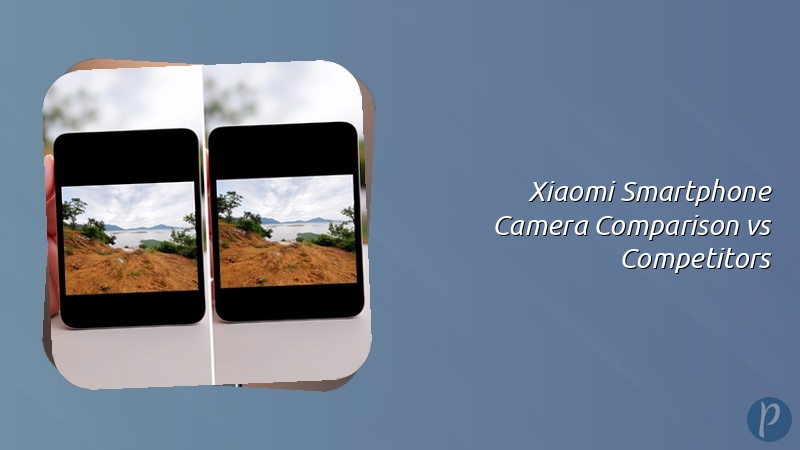
Xiaomi Smartphone Camera Comparison vs Competitors - Xiaomi has emerged as a formidable player in the smartphone industry, particularly in the realm of photography. Since its inception in 2010, the brand has transitioned from offering budget-friendly devices to producing premium smartphones that rival the best in the market. With flagship models like the Xiaomi 13 Ultra, featuring Leica co-engineered lenses and advanced AI capabilities, Xiaomi is no longer just a cost-effective alternative but a serious contender in the high-end smartphone camera segment.
In this article, We will delve into how Xiaomi’s smartphone cameras compare to competitors like Samsung, Apple, and Huawei. From hardware specifications to software innovations, The Potensians will gain a comprehensive understanding of what makes Xiaomi stand out in 2026.
The Evolution of Smartphone Photography
Smartphone photography has undergone a massive transformation over the past decade. What was once a secondary feature has now become a primary selling point for consumers. In 2026, the competition among smartphone manufacturers to deliver the best camera experience is fiercer than ever. Xiaomi, Samsung, Apple, and Huawei are at the forefront of this race, each offering unique features and technologies.
Xiaomi’s partnership with Leica has been a game-changer, allowing the brand to integrate professional-grade optics into its devices. Meanwhile, Samsung continues to push the boundaries of megapixel counts, and Apple focuses on computational photography. Huawei, despite challenges in the global market, remains a strong competitor with its innovative imaging systems.
Comparing Smartphone Camera Hardware
When it comes to smartphone cameras, hardware is a critical factor. Let’s compare the camera specifications of some of the leading models from Xiaomi and its competitors.
| Brand | Main Camera Specs | Additional Features |
|---|---|---|
| Xiaomi (e.g., 13 Ultra) | 50 MP main sensor (1-inch Sony IMX989), f/1.9 aperture | Leica partnership; advanced night mode; variable aperture system |
| Samsung (e.g., Galaxy S23 Ultra) | 200 MP main sensor (ISOCELL HP2), f/1.7 aperture | Space Zoom up to 100x; Super HDR support; enhanced stabilization |
| Apple (e.g., iPhone 15 Pro Max) | 48 MP main sensor (Quad-pixel technology), f/1.78 aperture | Cinematic Mode; Photonic Engine for computational photography enhancements |
| Huawei (e.g., P60 Pro) | 48 MP ultra-aperture camera with RYYB sensor | X-Mage imaging system; advanced telephoto lens for low-light zoom shots |
From the table above, it’s clear that each brand has its strengths. Samsung leads in megapixel count and zoom capabilities, making it ideal for capturing distant objects like the Eiffel Tower or the Grand Canyon. Apple excels in computational photography, offering features like Deep Fusion and Photonic Engine for stunning detail and color accuracy. Huawei’s RYYB sensor and X-Mage imaging system are perfect for low-light photography. However, Xiaomi’s larger sensor and Leica partnership provide unparalleled image quality, especially in challenging lighting conditions.
Software Capabilities: The Role of AI in Photography
While hardware is essential, software optimization is equally important in delivering a superior photography experience. In 2026, artificial intelligence (AI) has become a cornerstone of smartphone photography, enabling features that were once unimaginable.
Xiaomi’s AI-Powered Photography
Xiaomi leverages AI to enhance its camera capabilities significantly. Features like Smart Scene Detection automatically adjust settings based on the environment, ensuring optimal results whether The Potensians’re capturing a sunset or a bustling cityscape. The ProFocus mode allows users to manually tweak exposure levels while receiving real-time suggestions from AI, making it easier for both amateurs and professionals to capture stunning shots.
Advertisement
Moreover, Xiaomi’s advanced night mode, developed in collaboration with Leica, excels in low-light conditions. Whether The Potensians’re capturing the vibrant nightlife of Tokyo or the serene beauty of the Northern Lights, Xiaomi’s cameras ensure that every detail is preserved.
Samsung’s Versatility
Samsung’s Scene Optimizer technology and Single Take mode are designed for versatility. Scene Optimizer automatically adjusts settings based on the subject, while Single Take captures multiple styles of photos and videos simultaneously. This feature is particularly useful for fast-paced environments, such as a bustling street market or a live concert.
Apple’s Seamless Integration
Apple’s iPhones are renowned for their seamless integration of hardware and software. Features like Deep Fusion processing and Night Mode selfies ensure that every shot is Instagram-worthy. The Photonic Engine, introduced in recent models, enhances computational photography, delivering vibrant colors and sharp details even in challenging lighting conditions.
Huawei’s Imaging Innovation
Huawei continues to innovate with its X-Mage imaging system, which offers advanced computational photography features. The brand’s focus on low-light performance and telephoto capabilities makes it a favorite among photography enthusiasts who love capturing intricate details, even in dim settings.
Real-World Performance: How Do They Compare?
While specifications and features are important, real-world performance is what truly matters. The Potensians might wonder: how do these smartphones perform in everyday scenarios?
Daylight Photography
In well-lit conditions, all four brands deliver exceptional results. However, Xiaomi’s larger sensor and Leica optics often produce images with better dynamic range and natural color reproduction. Samsung’s high megapixel count ensures incredible detail, while Apple’s computational photography excels in balancing highlights and shadows. Huawei’s RYYB sensor also performs admirably, especially in capturing vibrant colors.
Low-Light Photography
Low-light photography is where Xiaomi truly shines. The 1-inch Sony IMX989 sensor, combined with Leica’s expertise, captures more light, resulting in brighter and more detailed images. Samsung’s Super Night Solution and Huawei’s RYYB sensor also perform well, but Xiaomi’s larger sensor gives it an edge. Apple’s Night Mode is effective but may struggle to match the detail and clarity offered by Xiaomi and Huawei.
Video Recording
For video enthusiasts, all four brands offer impressive capabilities. Xiaomi’s ProFocus and advanced stabilization make it a strong contender for videography. Samsung’s 8K video recording and enhanced stabilization are perfect for capturing high-quality videos. Apple’s Cinematic Mode allows for professional-grade video recording with adjustable focus effects, while Huawei’s video capabilities are bolstered by its advanced imaging system.
Price Comparison: Value for Money
Price is often a deciding factor for The Potensians when choosing a smartphone. Here’s a comparison of the approximate prices of flagship models in 2026:
| Brand | Model | Price (USD) |
|---|---|---|
| Xiaomi | 13 Ultra | $1,199 |
| Samsung | Galaxy S23 Ultra | $1,399 |
| Apple | iPhone 15 Pro Max | $1,499 |
| Huawei | P60 Pro | $1,099 |
As the table illustrates, Xiaomi offers a competitive price point without compromising on quality. This makes it an attractive option for The Potensians looking for a high-performance smartphone camera without breaking the bank.
Why Choose Xiaomi?
So, why should The Potensians consider Xiaomi over its competitors? In We’s view, Xiaomi offers a perfect blend of cutting-edge technology and affordability. The partnership with Leica has elevated its camera capabilities to a professional level, making it a strong contender against industry giants like Samsung and Apple.
Moreover, Xiaomi’s focus on user-friendly software features ensures that even amateur photographers can capture stunning images. The brand’s commitment to innovation and affordability makes it a top choice for those who want premium features without the premium price tag.
Final Thoughts
In the ever-evolving world of smartphone photography, Xiaomi has proven that it can compete with—and even surpass—some of the biggest names in the industry. With its focus on hardware excellence, software innovation, and affordability, Xiaomi is redefining what The Potensians can expect from a smartphone camera in 2026.
So, whether The Potensians’re capturing the vibrant streets of New York, the serene landscapes of the Swiss Alps, or simply a family gathering, Xiaomi’s smartphones are equipped to deliver stunning results. In We’s opinion, Xiaomi is not just a competitor; it’s a leader in the making.