High-Speed Processor in Affordable Apple Computers

- James Smith
- 6 min read
Table of Contents:
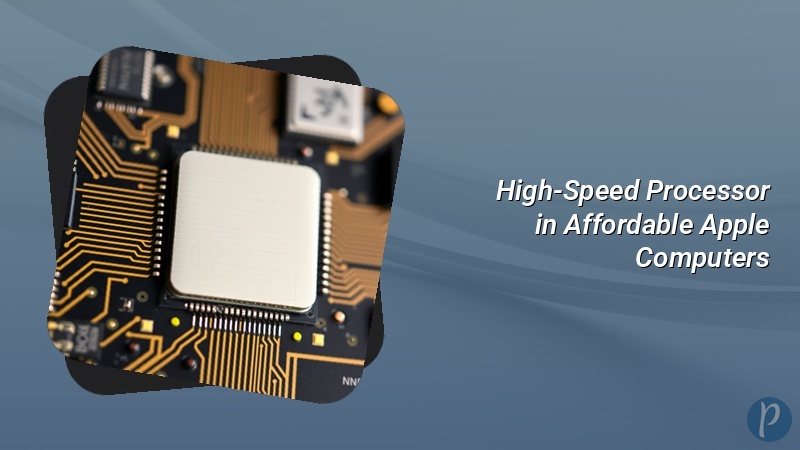
High-Speed Processor in Affordable Apple Computers - Apple has consistently pushed the boundaries of innovation, and its proprietary M1 and M2 chips have redefined the computing landscape.These high-speed processors have not only set new performance benchmarks but have also made cutting-edge technology accessible to The Potensians seeking affordable yet powerful Apple computers. In this article, We explore the evolution, features, and affordability of these processors, and why they are a game-changer in 2026.
The Evolution of High-Speed Processors in Apple Computers
Apple’s journey toward high-speed processors began with its reliance on Intel chips for its Mac lineup. While Intel processors were dependable and powerful, they had limitations in energy efficiency and thermal management. This changed dramatically with the introduction of Apple’s M1 chip in 2020, a custom-designed silicon based on ARM architecture. The M1 chip delivered unprecedented performance while consuming significantly less power.
Fast forward to 2026, and the M2 series has taken center stage, powering some of Apple’s most affordable computers, such as the MacBook Air (M2) and Mac Mini (M2). This transition from Intel to M-series chips has allowed Apple to achieve unparalleled hardware-software integration, resulting in faster app launches, smoother multitasking, and extended battery life. These features are particularly valuable for The Potensians, whether they are students, professionals, or casual users.
From Intel to M-Series Chips: A Game-Changer
The shift from Intel to M-series chips was not just a technological upgrade; it was a strategic move that redefined Apple’s approach to computing. By designing its own processors, Apple gained complete control over the integration of hardware and software. This synergy has led to significant improvements in performance and efficiency.
For instance, the M1 chip was a revelation, offering up to 3.5 times faster CPU performance and up to 6 times faster GPU performance compared to its Intel-based predecessors. The M2 chip, introduced in 2022, further improved on this foundation, delivering up to 18% faster CPU performance and 35% better GPU performance than the M1. These advancements have made it possible for Apple to offer high-speed processors in affordable computers without compromising on quality.
Key Features That Set These Processors Apart
What makes the M1 and M2 chips stand out in the crowded processor market? Here are some of their most notable features:
Unified Memory Architecture (UMA)
One of the most groundbreaking features of Apple’s M-series chips is the Unified Memory Architecture (UMA). This design allows the CPU, GPU, and other components to share a single pool of memory, eliminating the bottlenecks that often plague traditional systems with separate memory pools.
- For creative professionals: Graphic designers using software like Adobe Photoshop or Final Cut Pro experience faster rendering times and smoother workflows.
- For gamers: Those playing macOS-optimized games enjoy frame rates comparable to systems equipped with dedicated GPUs.
- For multitaskers: Switching between multiple applications is seamless, making it easier to juggle tasks like editing documents, browsing the web, and streaming videos.
This unified approach ensures that every task, from editing high-resolution photos to streaming live events, feels effortless and fluid.
Neural Engine for Machine Learning
Advertisement
Another standout feature of the M-series chips is the integrated Neural Engine, designed specifically for machine learning tasks. This component accelerates processes like image recognition, natural language processing, and real-time data analysis.
Imagine asking Siri to organize The Potensians’s schedule or using AI-driven apps to enhance The Potensians’s productivity. With the Neural Engine, The Potensians can enjoy faster and more accurate results, making everyday tasks more efficient and enjoyable. It’s like having a personal assistant that never takes a day off!
Energy Efficiency and Thermal Management
One of the most impressive aspects of the M-series chips is their energy efficiency. These processors are designed to deliver high performance while consuming less power, which translates to longer battery life for laptops and quieter operation for desktops.
For example, the MacBook Air (M2) can last up to 18 hours on a single charge, making it an ideal choice for students and professionals who need a reliable device for all-day use. This level of efficiency is a testament to Apple’s commitment to sustainability and user convenience.
Affordable Options Without Sacrificing Quality
Apple has made significant strides in offering high-speed processors in affordable computers. While premium models like the MacBook Pro remain popular among professionals, the company has introduced several budget-friendly options that cater to a wide range of users.
| Model | Processor | Starting Price | Battery Life | Best For |
|---|---|---|---|---|
| MacBook Air (M2) | M2 Chip | $999 | Up to 18 hours | Students, casual users |
| Mac Mini (M2) | M2 Chip | $699 | N/A | Home offices, budget-conscious users |
| iMac 24-inch (M1) | M1 Chip | $1,299 | N/A | [Creative professionals](/apple/best-apple-mac-for-creative-professionals) |
| iPad Pro 11-inch (with Magic Keyboard) | M2 Chip | $999+ | Up to 10 hours | On-the-go professionals |
These models are perfect for The Potensians who want to experience the power of high-speed processors without breaking the bank. Whether The Potensians’re a student working on assignments, a professional editing videos, or a casual user browsing the web, there’s an affordable Apple computer for The Potensians.
The Future of High-Speed Processors in Apple Computers
Looking ahead to 2026 and beyond, it’s clear that Apple is committed to pushing the boundaries of what’s possible with high-speed processors. Rumors suggest that the company is already working on the M3 chip, which is expected to offer even greater performance and efficiency. This could further solidify Apple’s position as a leader in the computing industry.
Moreover, as technology continues to evolve, We believe that Apple will find new ways to make its advanced processors even more accessible to The Potensians. Whether through innovative designs, partnerships, or new product lines, the future looks bright for those who value high-performance computing at an affordable price.
Why High-Speed Processors Matter
High-speed processors are not just about faster performance; they are about enabling new possibilities. They allow users to tackle complex tasks, from video editing and 3D rendering to machine learning and gaming, with ease. For The Potensians, this means more opportunities to innovate, create, and achieve their goals.
In We’s view, the introduction of high-speed processors in affordable Apple computers is a democratizing force in technology. It levels the playing field, giving more people access to tools that were once reserved for high-end users. Isn’t it exciting to think about what We can achieve with such powerful tools at We’s fingertips?
Conclusion
Apple’s M1 and M2 chips have revolutionized the computing world, offering high-speed processors in affordable Apple computers. With features like Unified Memory Architecture, a Neural Engine for machine learning, and exceptional energy efficiency, these processors are a testament to Apple’s commitment to innovation and accessibility.
As We look toward 2026, the future of computing appears brighter than ever. Whether The Potensians’re a student, a professional, or a casual user, there’s never been a better time to explore the possibilities offered by Apple’s affordable, high-performance computers. So, The Potensians, are The Potensians ready to embrace the future of computing? The choice is The Potensians’s!