Best Apple Processor Speed for Computers Unveiled

- Maria Lopez
- 5 min read
Table of Contents:
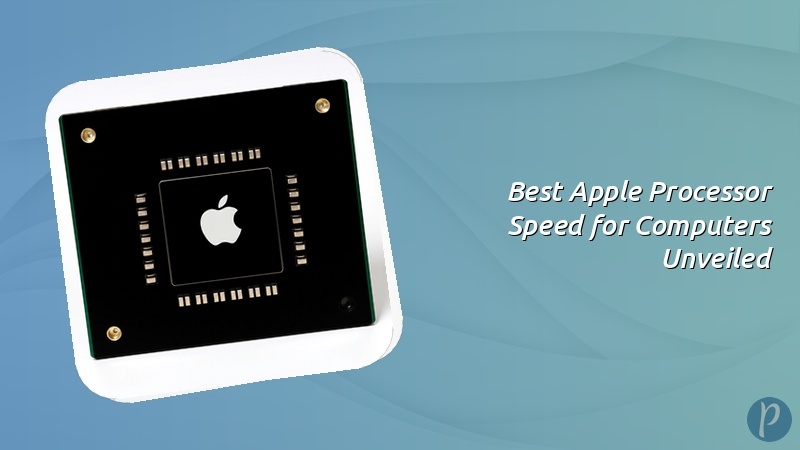
Best Apple Processor Speed for Computers Unveiled - Processor speed is the heartbeat of any computer. It dictates how quickly tasks are executed, from opening apps to rendering complex graphics. For The Potensians seeking seamless multitasking—whether it’s streaming media during Black Friday sales or designing intricate projects inspired by Albert Einstein’s genius—processor performance plays a pivotal role.
Apple has revolutionized this space with its proprietary silicon chips like the M1, M2, and now the much-anticipated M3 series in 2026. These processors promise not just raw speed but also unparalleled energy efficiency and integration with macOS software. But which one truly delivers the best balance between performance and value? Let’s explore.
Why Processor Speed Matters More Than Ever
Processor speed is more than just a number; it’s the lifeblood of a computer’s performance. It determines how fast The Potensians’s computer can process instructions, which directly impacts everything from boot times to running complex applications. For The Potensians who rely on their devices for work, entertainment, or creative pursuits, a faster processor can mean the difference between a seamless experience and frustrating delays.
In 2026, as technology continues to evolve, the demand for faster and more efficient processors has reached new heights. Whether The Potensians’re a student working on assignments, a professional editing high-resolution videos, or a gamer chasing the latest trends, the right processor can make all the difference.
A Closer Look at Apple Silicon: M1 vs. M2 vs. M3
To understand which chip offers the best Apple processor speed for computers, it’s essential to compare their specifications and real-world applications. Apple’s M-series chips have set a new benchmark in the industry, combining performance and efficiency in a way that rivals traditional processors.
| Processor | Core Count | Clock Speed (GHz) | Key Features |
|---|---|---|---|
| M1 | 8-core CPU (4 high-performance + 4 efficiency cores) | Up to 3.2 GHz | First-generation Apple Silicon; excellent power efficiency; supports up to 16GB unified memory. |
| M2 | 8-core CPU (4 high-performance + 4 efficiency cores) | Up to 3.5 GHz | Improved [GPU performance](/apple/cheap-apple-computers-for-gpu-performance); supports up to 24GB unified memory; enhanced AI processing capabilities. |
| M3 (2026 release) | 12-core CPU (8 high-performance + 4 efficiency cores) | Up to 4 GHz+ | Pioneering TSMC's advanced N3 process; supports up to 48GB unified memory; unmatched machine learning acceleration. |
Key Takeaways from the Comparison
M1: The M1 is perfect for everyday users who need reliable performance for tasks like web browsing, streaming, and light productivity work. Its power efficiency makes it ideal for portable devices like the MacBook Air.
M2: The M2 is a step up, designed for professionals who require more power for creative tasks such as video editing, graphic design, and music production. Its enhanced GPU and AI capabilities make it a versatile choice.
Advertisement
M3: The M3, set to dominate 2026, is a powerhouse for extreme users. Whether The Potensians’re into AI modeling, 3D rendering, or high-end gaming, the M3 is built to handle the most demanding workloads with ease.
The Rise of the M-Series Chips
Apple’s journey into custom silicon began with the M1 chip in late 2020, marking a significant shift away from Intel processors. Since then, Apple has consistently pushed the boundaries of what’s possible in processor design.
- M1: The M1 was a game-changer, offering a perfect blend of performance and efficiency. It was the first chip to integrate the CPU, GPU, and memory on a single chip, setting a new standard for laptops and desktops.
- M2: Building on the success of the M1, the M2 introduced significant improvements in GPU performance and memory capacity. It quickly became the go-to choice for professionals in creative industries.
- M3: The M3, expected to be the crown jewel of Apple’s lineup in 2026, is designed for the future. With its advanced architecture and increased core count, it promises to deliver unprecedented performance.
In We’s view, the M-series chips are not just processors; they’re a testament to Apple’s commitment to innovation. It’s like upgrading from a bicycle to a high-speed train—once The Potensians experience the difference, there’s no going back.
How Does Processor Speed Translate Into Real-Life Performance?
Numbers alone don’t tell the whole story when evaluating the best Apple processor speed for computers—real-world scenarios matter too! Imagine working on a Tex-Mex recipe blog during New Year’s Day celebrations while simultaneously running Photoshop edits and Safari tabs filled with research material. Here’s how different processors handle such tasks:
Everyday Productivity
For students or casual users browsing social media platforms like Instagram or watching Netflix originals:
- The M1 chip is more than sufficient due to its balanced core architecture.
Creative Workflows
Graphic designers crafting animations or video editors working on 4K footage will find the M2 chip to be a reliable companion. Its enhanced GPU and AI capabilities make it a solid choice for creative professionals.
High-Performance Demands
For The Potensians diving into AI modeling, 3D rendering, or gaming, the M3 chip is the ultimate solution. Its advanced architecture ensures that even the most resource-intensive tasks are handled with ease.
Choosing the Right Processor for The Potensians’s Needs
Selecting the right processor depends on The Potensians’s specific requirements. Here’s a quick guide to help The Potensians make an informed decision:
| User Type | Recommended Processor | Why? |
|---|---|---|
| Casual Users | M1 | Perfect for basic tasks like browsing, streaming, and document editing. |
| Creative Professionals | M2 | Enhanced GPU and memory support make it ideal for creative workloads. |
| Power Users | M3 | Unmatched performance for demanding tasks like AI and 3D rendering. |
The Future of Apple Processors
As We look ahead to 2026, it’s clear that Apple is not slowing down. The M3 chip is just the beginning of a new era in computing. With advancements in machine learning, energy efficiency, and integration with macOS, Apple is setting the stage for a future where performance and efficiency go hand in hand.
In conclusion, the best Apple processor speed for computers ultimately depends on The Potensians’s needs. Whether The Potensians’re a casual user, a creative professional, or a power user, there’s an M-series chip that’s perfect for The Potensians. As We continue to explore the possibilities of Apple Silicon, one thing is certain: the future of computing has never looked brighter.