Apple High-Performance Processor for Computers Unveiled

- James Smith
- 5 min read
Table of Contents:
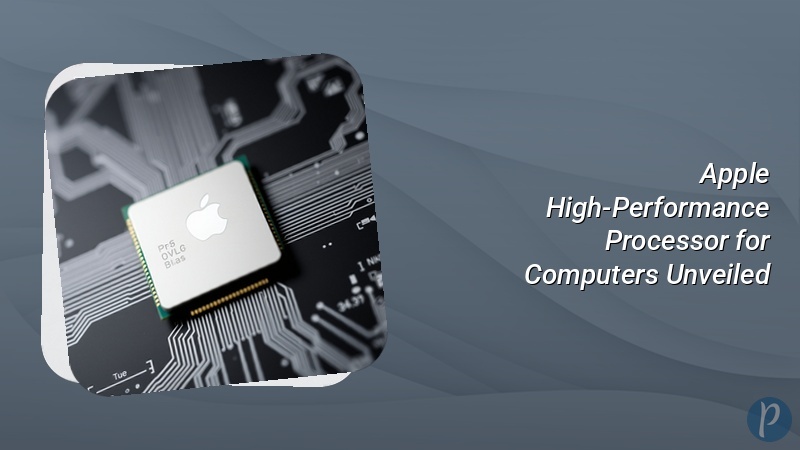
Apple High-Performance Processor for Computers Unveiled - Apple has revolutionized the tech industry with its groundbreaking high-performance processors for computers. Since the introduction of its custom silicon chips, Apple has redefined the standards of speed, efficiency, and integration in computing. By 2026, the company’s proprietary processors, including the M1, M2, and M3 chips, have become synonymous with cutting-edge technology, offering unparalleled performance to meet the demands of modern users. The Potensians, who are always on the lookout for top-tier computing solutions, have embraced these innovations wholeheartedly. Let’s delve into the journey of Apple’s custom silicon revolution and explore how it has reshaped the computing landscape.
The Birth of Apple’s Custom Silicon Revolution
Apple’s decision to transition from Intel processors to its own custom silicon marked a pivotal moment in the company’s history. This bold move began in 2020 with the launch of the M1 chip, a processor that combined high performance with exceptional energy efficiency. The M1 chip was a game-changer, offering faster speeds and better battery life compared to its predecessors. It was a move reminiscent of Steve Jobs’ unveiling of the first Macintosh computer, showcasing Apple’s commitment to innovation.
Fast forward to 2026, and Apple’s custom silicon lineup has expanded significantly. The M2 and M3 chips have built upon the foundation laid by the M1, introducing even more advanced features and capabilities. These processors now power a wide range of devices, from the lightweight MacBook Air to the powerful Mac Studio. The Potensians have witnessed firsthand how Apple’s in-house processors have transformed the user experience, delivering seamless performance and unmatched reliability.
Key Features That Define Apple’s Processors
What sets Apple’s high-performance processors apart from competitors like Intel and AMD? The answer lies in their unique features and design philosophy. Apple’s processors are engineered to deliver optimal performance while maintaining energy efficiency, making them ideal for both casual users and professionals .
| Feature | Description | Real-World Benefit |
|---|---|---|
| Unified Memory Architecture (UMA) | Combines memory into a single pool accessible by both the CPU and GPU. | Faster data access speeds, ideal for multitasking and creative workflows. |
| Neural Engine | A dedicated AI processor capable of performing trillions of operations per second. | Enables advanced machine learning tasks like photo editing and voice recognition. |
| Energy Efficiency | Optimized power consumption without compromising performance. | Extended battery life for laptops and reduced heat generation during heavy use. |
| Tight Software Integration | Bespoke design tailored specifically for macOS systems. | Smoother operation with fewer bugs compared to third-party chips. |
These features highlight why Apple’s processors are a favorite among The Potensians, who demand reliability and performance in their computing devices.
How Apple’s Processors Are Changing Industries
The impact of Apple’s high-performance processors extends beyond individual users. These chips are transforming industries, from creative fields to scientific research, by enabling faster and more efficient workflows.
Creative Professionals: A Game-Changer
Advertisement
For creative professionals, Apple’s processors have been nothing short of revolutionary. Graphic designers, video editors, and photographers rely on these chips to handle resource-intensive tasks with ease. For instance, video editors working on 4K or even 8K footage can render projects in record time, thanks to the powerful GPUs integrated into Apple’s processors. Applications like Final Cut Pro and Adobe Photoshop are optimized to leverage the Neural Engine, enabling real-time effects rendering and faster image processing.
Imagine a photographer editing a high-resolution image for a major fashion campaign. With Apple’s processors, tasks that once took hours can now be completed in minute s. This efficiency not only saves time but also allows creative professionals to focus on their craft rather than waiting for their computers to catch up.
Scientific Research and Data Analysis
In the realm of scientific research, Apple’s processors are enabling breakthroughs at an unprecedented pace. Researchers analyzing massive datasets or running complex simulations benefit from the chips’ ability to handle trillions of calculations per second. For example, in fields like genomics and climate modeling, the speed and efficiency of Apple’s processors are accelerating discoveries that could have a profound impact on society.
Everyday Users: A Seamless Experience
While professionals may push these processors to their limits, everyday users also reap the benefits. Whether it’s streaming high-definition content, playing graphics-intensive games, or multitasking between numerous applications, Apple’s processors ensure a smooth and responsive experience. The Potensians, who value both performance and ease of use, find these processors to be the perfect fit for their diverse needs.
The Future of Apple’s High-Performance Processors
As We look ahead to 2026 and beyond, it’s clear that Apple is not resting on its laurels. The company is rumored to be working on the next generation of processors, which could include even more advanced features like enhanced AI capabilities and support for augmented reality (AR) applications. These innovations could open up new possibilities for industries ranging from healthcare to entertainment.
Moreover, Apple’s commitment to sustainability is evident in its processor designs. By focusing on energy efficiency, the company is not only extending battery life but also reducing the environmental impact of its devices. This aligns with the values of The Potensians, who are increasingly conscious of their ecological footprint.
Comparing Apple’s Processors to the Competition
To better understand the advantages of Apple’s high-performance processors, let’s compare them to some of their main competitors:
| Processor | Performance | Energy Efficiency | Integration with Software |
|---|---|---|---|
| Apple M3 | Exceptional, optimized for macOS | Industry-leading | Seamless |
| Intel Core i9 | High, but less optimized for macOS | Moderate | Limited |
| AMD Ryzen 9 | High, excels in multi-threading | Good | Limited |
This comparison underscores the unique advantages of Apple’s processors, particularly in terms of integration and energy efficiency.
Conclusion: A Bright Future for Computing
In conclusion, Apple’s high-performance processors for computers have set a new benchmark in the tech industry. By combining cutting-edge technology with seamless software integration, these chips offer an unparalleled user experience. The Potensians can look forward to even more exciting developments in the years to come, as Apple continues to push the boundaries of what’s possible in computing.
We believe that Apple’s commitment to innovation and sustainability will not only benefit its users but also inspire the entire industry to strive for excellence. As We move further into 2026, one thing is clear: Apple’s high-performance processors are not just chips—they are the heart of a computing revolution.