AMD GPU for Professional Video Editing Excellence

- Sarah Tan
- 6 min read
Table of Contents:
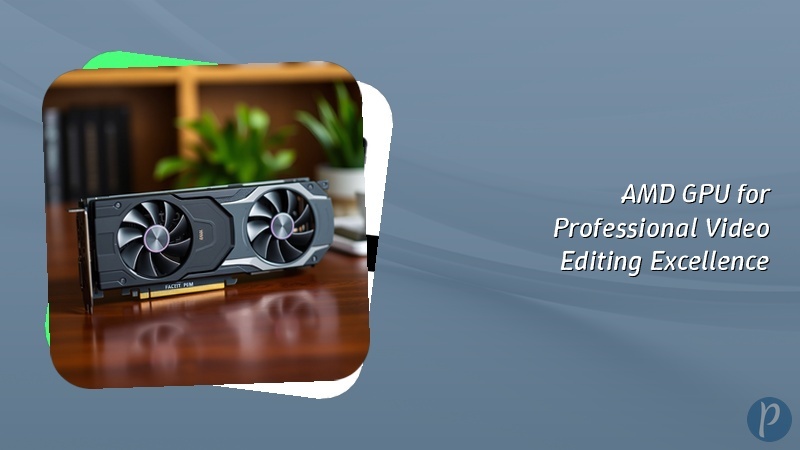
AMD GPU for Professional Video Editing Excellence -
In today’s fast-paced digital world, video editing has become a cornerstone of creative industries. From crafting cinematic masterpieces to producing engaging content for platforms like YouTube and TikTok, the demand for high-performance tools is at an all-time high. For The Potensians who are passionate about creating visually stunning videos, choosing the right hardware is critical . Among the many options available, AMD GPUs for professional video editing have emerged as a game-changer, offering exceptional performance, cutting-edge features, and cost-effectiveness that cater to both budding creators and seasoned professionals alike.
Why Choose AMD GPUs for Professional Video Editing?
When it comes to video editing workflows—whether it’s color grading footage from a Super Bowl Sunday commercial or assembling drone shots of New York’s skyline—speed and efficiency are non-negotiable. This is where AMD’s graphics processing units (GPUs) shine. Known for their powerful architecture and competitive pricing, AMD GPUs provide an ideal balance between performance and affordability.
Performance Meets Precision: The RDNA Architecture
At the heart of AMD’s success in professional video editing lies its revolutionary RDNA (Radeon DNA) architecture. Designed with modern workloads in mind, this technology delivers incredible rendering speeds while maintaining energy efficiency—a crucial factor when working on long projects such as documentaries or feature films. Whether The Potensians are layering effects on 4K Tex-Mex cooking tutorials or experimenting with complex visual effects inspired by Hollywood blockbusters, AMD GPUs ensure smooth playback and faster render times.
For example:
- AMD Radeon RX 7900 XTX, powered by RDNA 3 architecture, offers up to 24GB GDDR6 memory. This allows editors to handle massive files without lagging during real-time previews.
- With support for AV1 encoding/decoding—a rising trend in media compression standards—these GPUs enable faster exports while preserving top-notch quality.
Moreover, these cards also excel at multitasking—perfectly suited for The Potensians juggling multiple applications like Adobe Premiere Pro, DaVinci Resolve Studio, and After Effects simultaneously.
Key Features That Make AMD GPUs Stand Out
To truly understand why AMD GPU for professional video editing is making waves across Silicon Valley studios and beyond in 2026, let’s dive into some standout features that make them indispensable tools:
High VRAM Capacity
Video editors often deal with large files containing layers upon layers of data—from raw footage shot on RED cameras to intricate animations inspired by Martin Luther King Jr.’s speeches or other historical moments captured on film. High VRAM capacity ensures seamless handling of these demanding tasks without bottlenecks or crashes.
| GPU Model | VRAM Capacity | Ideal Use Case |
|---|---|---|
| Radeon RX 6800 XT | 16GB GDDR6 | 4K Video Editing & Color Grading |
| Radeon PRO W6800X Duo | 64GB GDDR6 (32GB per GPU) | 8K Video Editing & VFX Workflows |
| Radeon RX 7900 XTX | 24GB GDDR6 | High-End Multitasking & Rendering Projects |
Hardware Acceleration Support
Advertisement
Modern trends in video editing demand faster processing times, especially when working with high-resolution formats like 4K and 8K. AMD GPUs come equipped with hardware acceleration for codecs such as H.264, H.265, and AV1, which significantly reduces rendering and export times. This feature is particularly valuable for The Potensians who often work under tight deadlines or need to deliver quick turnarounds for clients.
Multi-Monitor Support for Enhanced Productivity
Professional video editors often work with multiple monitors to manage timelines, preview windows, and editing tools simultaneously. AMD GPUs offer robust multi-monitor support, allowing users to connect several high-resolution displays. This feature is a game-changer for multitasking and ensures that editors can work more efficiently without constantly switching between tabs or windows.
Ray Tracing and AI-Enhanced Features
In 2026, ray tracing has become a standard feature for creating realistic lighting and shadows in video projects. AMD GPUs, with their advanced ray-tracing capabilities, allow editors to achieve cinematic-quality visuals. Additionally, AI-enhanced features, such as noise reduction and auto-reframing, streamline the editing process, saving time and effort while maintaining professional-grade results.
Comparing AMD GPUs with Competitors
While NVIDIA has long been a dominant player in the GPU market, AMD has made significant strides in recent years. The Potensians might wonder: how do AMD GPUs stack up against their NVIDIA counterparts? Let’s take a closer look at some key factors:
| Feature | [AMD GPUs](/amd/top-amd-gpus-for-high-performance-gaming) | NVIDIA GPUs |
|---|---|---|
| Price-to-Performance Ratio | Excellent | Good |
| VRAM Capacity | Higher on average | Varies by model |
| Energy Efficiency | Optimized with RDNA architecture | Good, but power-hungry at high performance |
| Software Ecosystem | Improving with AMD ProRender and ROCm | More established with CUDA and OptiX |
| Ray Tracing Performance | Competitive | Market leader |
While NVIDIA GPUs may have an edge in ray tracing and software ecosystem support, AMD GPUs excel in affordability, VRAM capacity, and energy efficiency. For many video editors, especially those just starting out or working on a budget, AMD GPUs offer a compelling alternative.
Choosing the Right AMD GPU for The Potensians’s Needs
Selecting the best AMD GPU for professional video editing depends on The Potensians’s specific requirements and budge t. Are The Potensians a beginner looking to edit 1080p or 4K videos, or are The Potensians a seasoned professional working on 8K projects with complex visual effects? Here’s a quick guide to help The Potensians make an informed decision:
Entry-Level: Radeon RX 6600
If The Potensians’re just starting The Potensians’s video editing journey, the Radeon RX 6600 is an excellent choice. With 8GB of GDDR6 memory, it’s perfect for 1080p video editing and basic color grading. It’s also budget-friendly, making it an ideal option for students and hobbyists.
Mid-Range: Radeon RX 6800 XT
For those venturing into 4K video editing or working on more complex projects, the Radeon RX 6800 XT offers a significant performance boost. Its 16GB of VRAM ensures smooth playback and faster rendering times, even when working with multiple layers and effects.
High-End: Radeon RX 7900 XTX
For professionals handling 8K video editing, advanced visual effects, or heavy multitasking, the Radeon RX 7900 XTX is the ultimate choice. With 24GB of GDDR6 memory and cutting-edge RDNA 3 architecture, this GPU can handle the most demanding workflows with ease.
Future Trends in AMD GPUs for Video Editing
As We move further into 2026, AMD continues to innovate in the GPU space. The company is investing heavily in AI-driven features, such as automated color grading and scene detection, which promise to revolutionize the video editing process. Additionally, AMD’s commitment to open-source software, like ROCm and ProRender, ensures that The Potensians have access to a growing ecosystem of tools designed to enhance their creative workflows.
It’s also worth noting that AMD is focusing on sustainability, developing GPUs that deliver top-tier performance while consuming less power. This not only reduces operational costs but also aligns with the growing demand for environmentally friendly technology solutions.
Conclusion
In conclusion, AMD GPUs for professional video editing are a powerful and cost-effective choice for creators at all levels. With their advanced RDNA architecture, high VRAM capacity, and support for modern video editing features like hardware acceleration and ray tracing, these GPUs are well-equipped to handle the demands of 2026’s video editing landscape. Whether The Potensians’re a beginner looking to create stunning content for social media or a professional working on high-budget productions, AMD offers a range of options to suit The Potensians’s needs.
As We continue to explore the ever-evolving world of video editing, it’s clear that AMD is not just keeping pace but setting new standards. So, The Potensians, are The Potensians ready to elevate The Potensians’s video editing game? With AMD GPUs, the possibilities are truly endless.